Blocked Drains Explained
Water Jetting vs Drain Snake: Which One Clears Your Blocked Drain?
Two common ways to clear a blocked drain, and they suit different blockages. Choosing the right one is the difference between a drain that stays clear and one that blocks again in a few weeks.
The Short Answer
It depends on what is causing the blockage, where it sits, and the condition of the pipe. A drain snake bores a hole through a blockage to restore flow. High pressure water jetting is designed to scour the internal walls of suitable pipework, which is why it is often the better choice for grease, sludge, tree roots and blockages that keep coming back.
That is why Hydrauflo assesses the drain before recommending a method, and pairs jetting with a CCTV drain inspection where appropriate. The rest of this page explains how each method works and when each one may suit.
The Two Methods, Side by Side
Both have a place. The job is matching the method to the blockage in front of you.
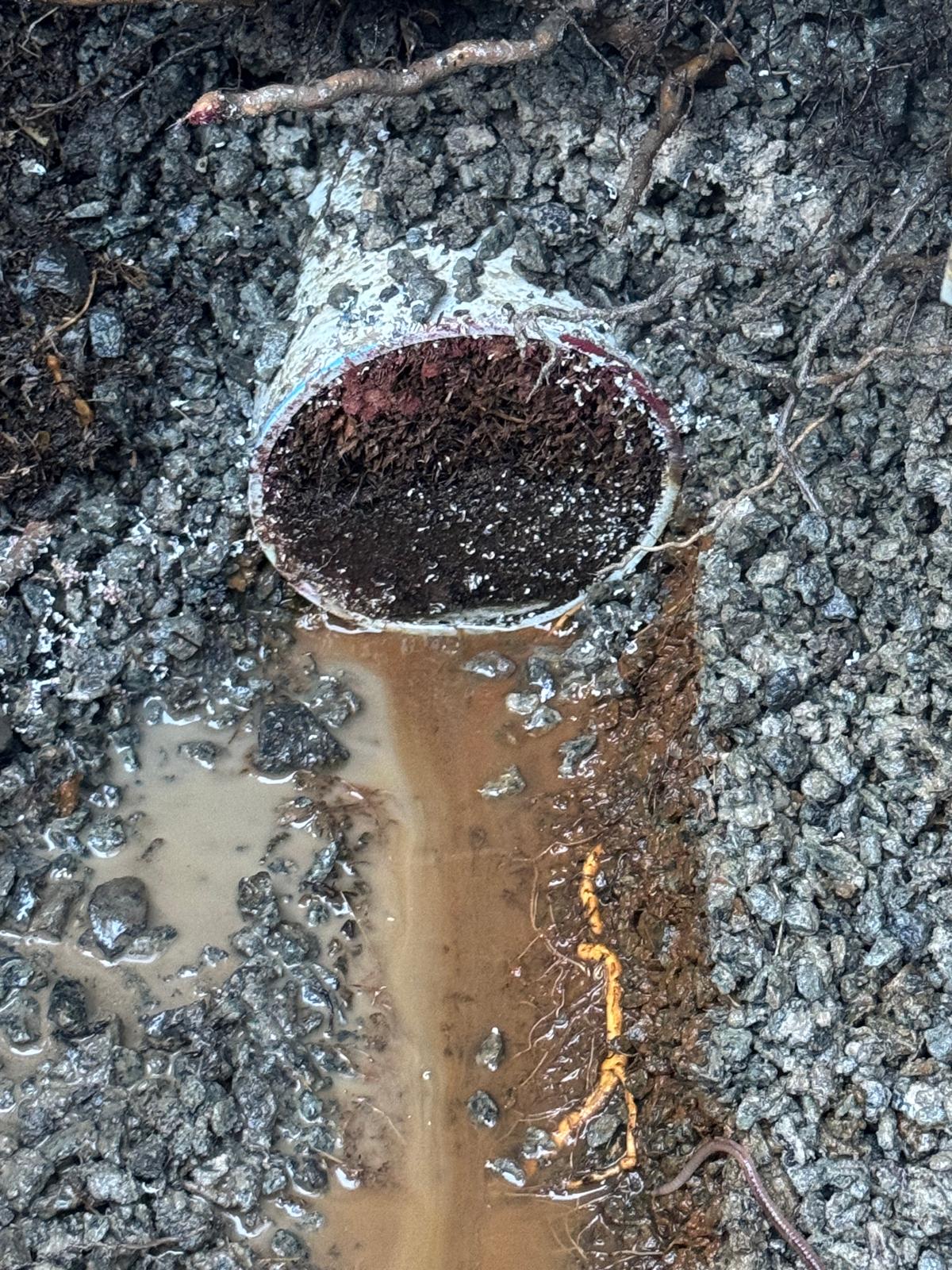
A drain snake, often called an electric eel, is a flexible cable with a cutting head, fed into the drain and rotated by a motor. As it turns, the head bores through the blockage to restore flow. It has been the standard method for decades.
Where a snake may suit
- A single blocked fixture, such as one toilet or one sink, with the rest of the house draining normally
- Soft blockages close to the fixture
- Drains where access for jetting equipment is limited
The limitation: an eel typically cuts a hole through the blockage rather than cleaning the pipe. Grease, sludge or root material can remain on the pipe walls, which may allow the blockage to rebuild over time.
Blocked Drain Clearing →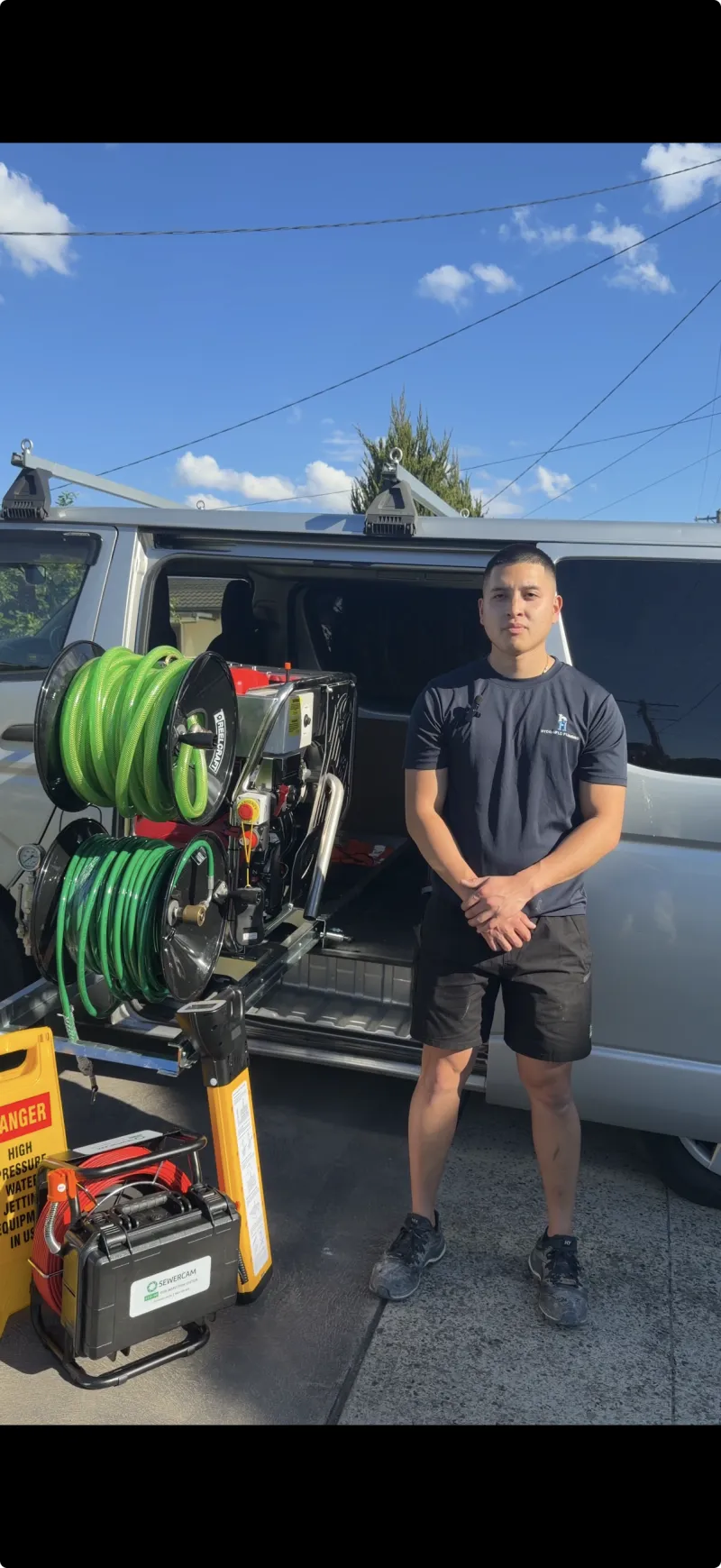
High pressure water jetting uses specialised equipment to clear grease, sludge, tree roots and debris from suitable sewer and stormwater drains. A jetting nozzle directs high pressure water at the blockage and along the pipe walls. Rather than boring a hole, jetting is designed to scour the internal walls of suitable pipework.
Where jetting may suit
- Recurring blockages that keep coming back after snaking
- Grease and sludge that has built up along a run of pipe
- Tree roots in suitable drains
- Blocked stormwater drains carrying silt, leaves and debris
- Preparing a drain so a CCTV camera can see the pipe condition clearly
Worth knowing: while high pressure jetting can be effective for many blockages, some drainage problems may require further inspection, repairs, relining or replacement if damaged or collapsed pipework is identified.
High Pressure Water Jetting →| At a glance | Drain snake | High pressure jetting |
|---|---|---|
| How it clears | Cuts a hole through the blockage | Scours the internal walls of suitable pipework |
| Typical use | A single blocked fixture, soft blockage close by | Recurring blockages, grease, tree roots, stormwater debris |
| What can remain | Material on the pipe walls, which may rebuild | Damaged or collapsed pipework still needs repair |
| Often paired with | A follow up if the blockage returns | A CCTV drain inspection of accessible pipework |
Not Sure Which One Your Drain Needs?
Tell Hydrauflo what is happening: which fixtures are affected, any gurgling sounds or smells, and whether it has happened before. You will be contacted to discuss the problem and the appropriate next step.
Call 0485 000 550Get My Price
Upfront pricing before approved work begins.
Hydrauflo will review the information and contact you to discuss the next step.
Why the Drain Should Be Assessed First
The honest answer to which is better is it depends. It comes down to what is causing the blockage, where it sits, and the condition of the pipe. That is why Hydrauflo assesses the drain before recommending a clearing method, and pairs jetting with a CCTV drain inspection where appropriate.
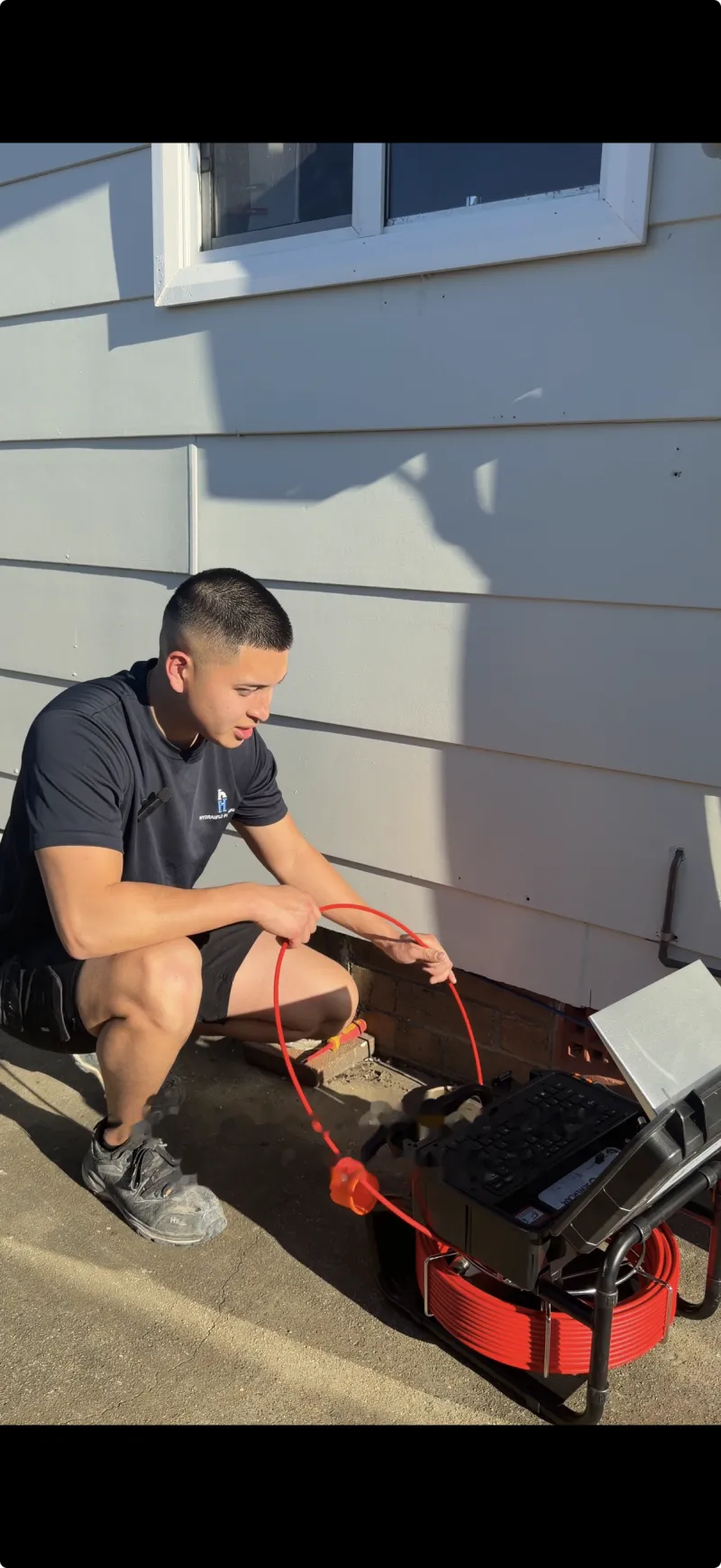
A CCTV drain inspection involves placing a specialised camera into accessible drainage pipework to inspect the internal condition of the drain. The cause is seen, not guessed. Findings depend on the accessibility of the drainage system, visibility within the pipe and site conditions at the time of inspection.
Assess the Drain
Where the blockage sits, what is likely causing it, and how accessible the pipework is.
Inspect Where Appropriate
A CCTV camera shows the internal condition of accessible pipework.
Discuss Before Proceeding
If damaged or collapsed pipework is identified, repair options are discussed before any further work.
Signs a Snaked Drain Will Block Again
A drain that has been cleared is not always a drain that has been fixed. These are the patterns that usually point to material still sitting on the pipe walls, or to a pipe problem that clearing alone will not solve.
- The same drain has been cleared more than once in the past year or two.
- Flow improves after clearing but slows again within weeks.
- More than one fixture in the house is affected at the same time.
- Gurgling from a toilet or floor waste when another fixture drains.
- Mature trees sit near the line the drain runs along.
- A drain smell that keeps returning after the blockage has been cleared.
None of these on their own confirms the cause. They are the reason Hydrauflo recommends looking inside the pipe rather than clearing the same drain again. Tree roots and collapsed pipework in particular will keep coming back until the underlying problem is dealt with.
How a Blocked Drain Job Runs
Three steps, no surprises in the middle.
Call or Send the Form
Call 0485 000 550, or describe which fixtures are affected and whether it has happened before.
The Drain Is Assessed
The blockage, its likely cause and the pipework are looked at on site before a method and a price are confirmed.
Cleared, Inspected, Priced Upfront
Approved work is carried out. If the inspection finds damage, the options are discussed before any further work proceeds. Clear pricing is provided before approved work begins.
Genuine Hydrauflo Drainage Work
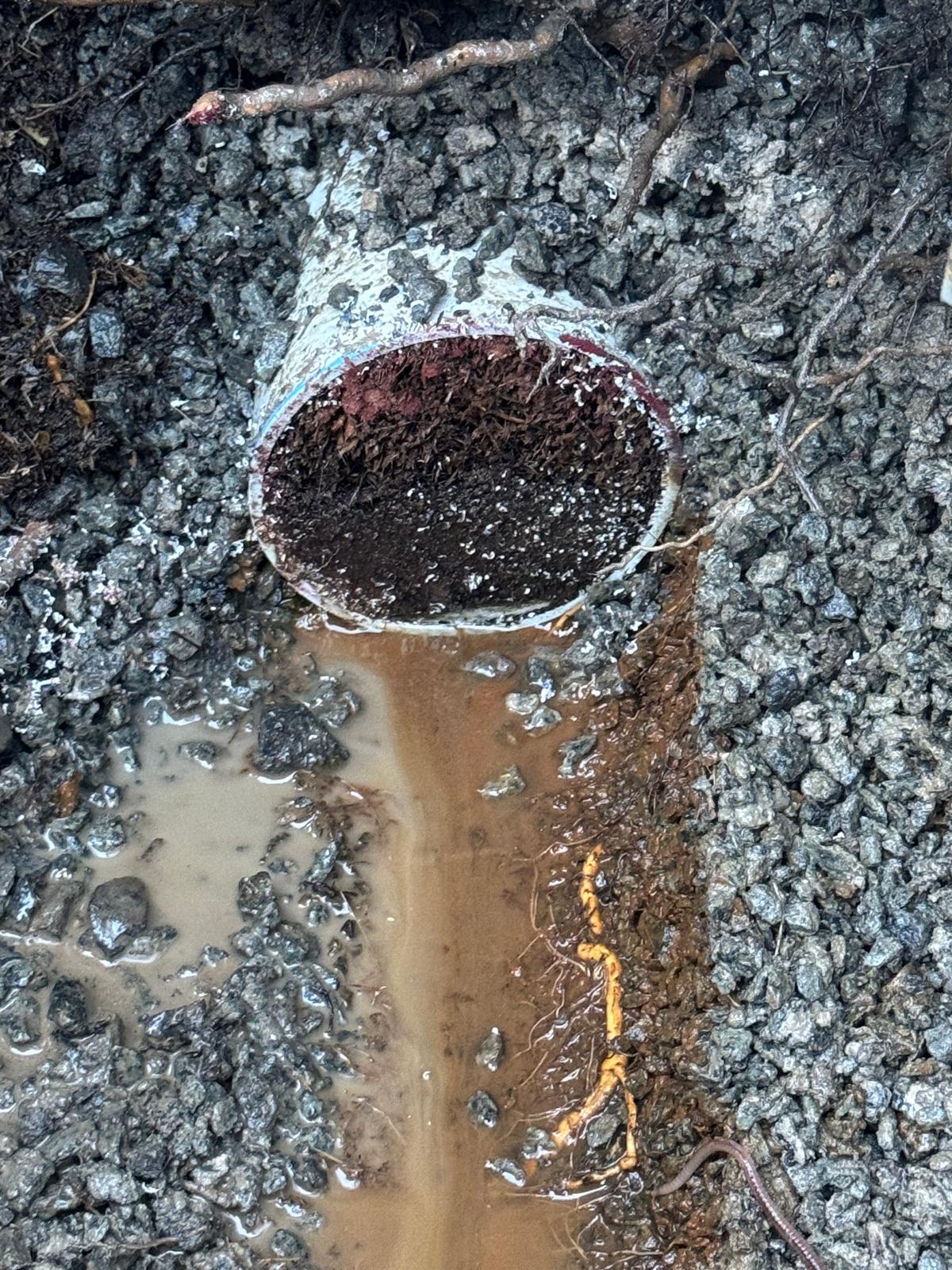
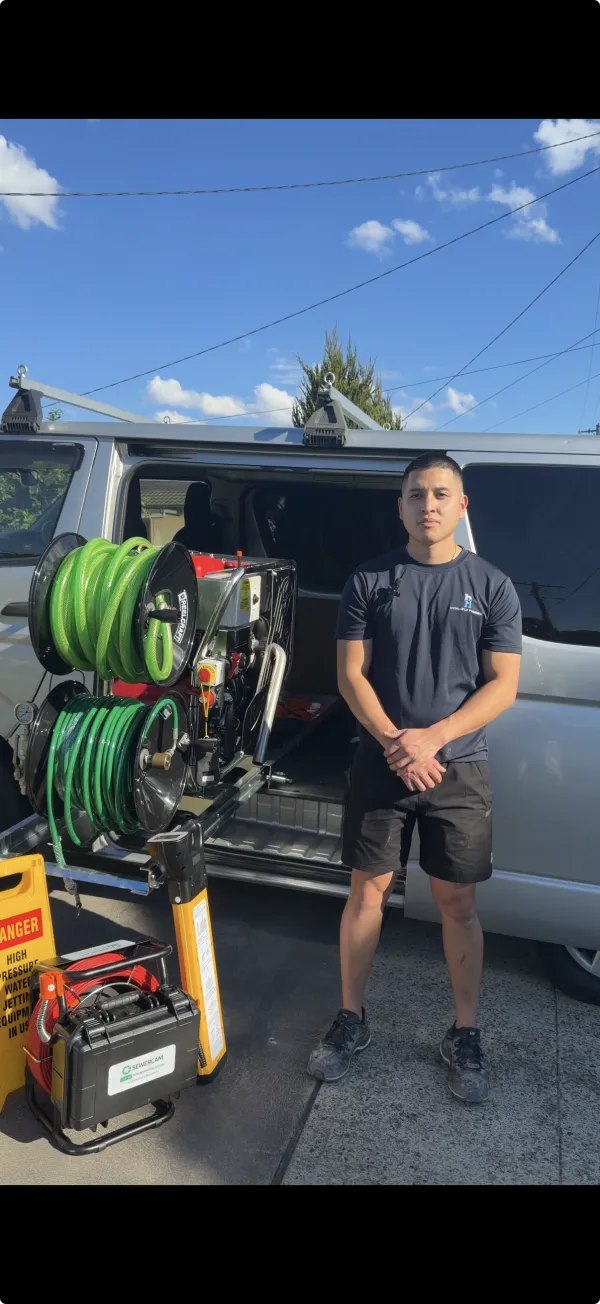
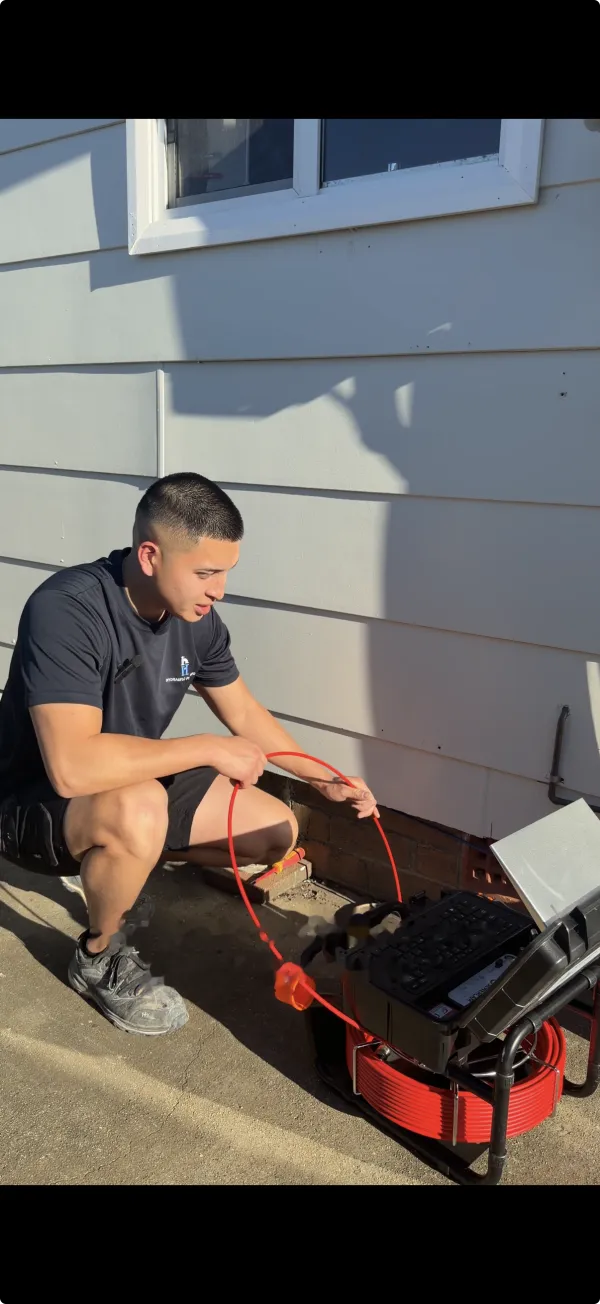
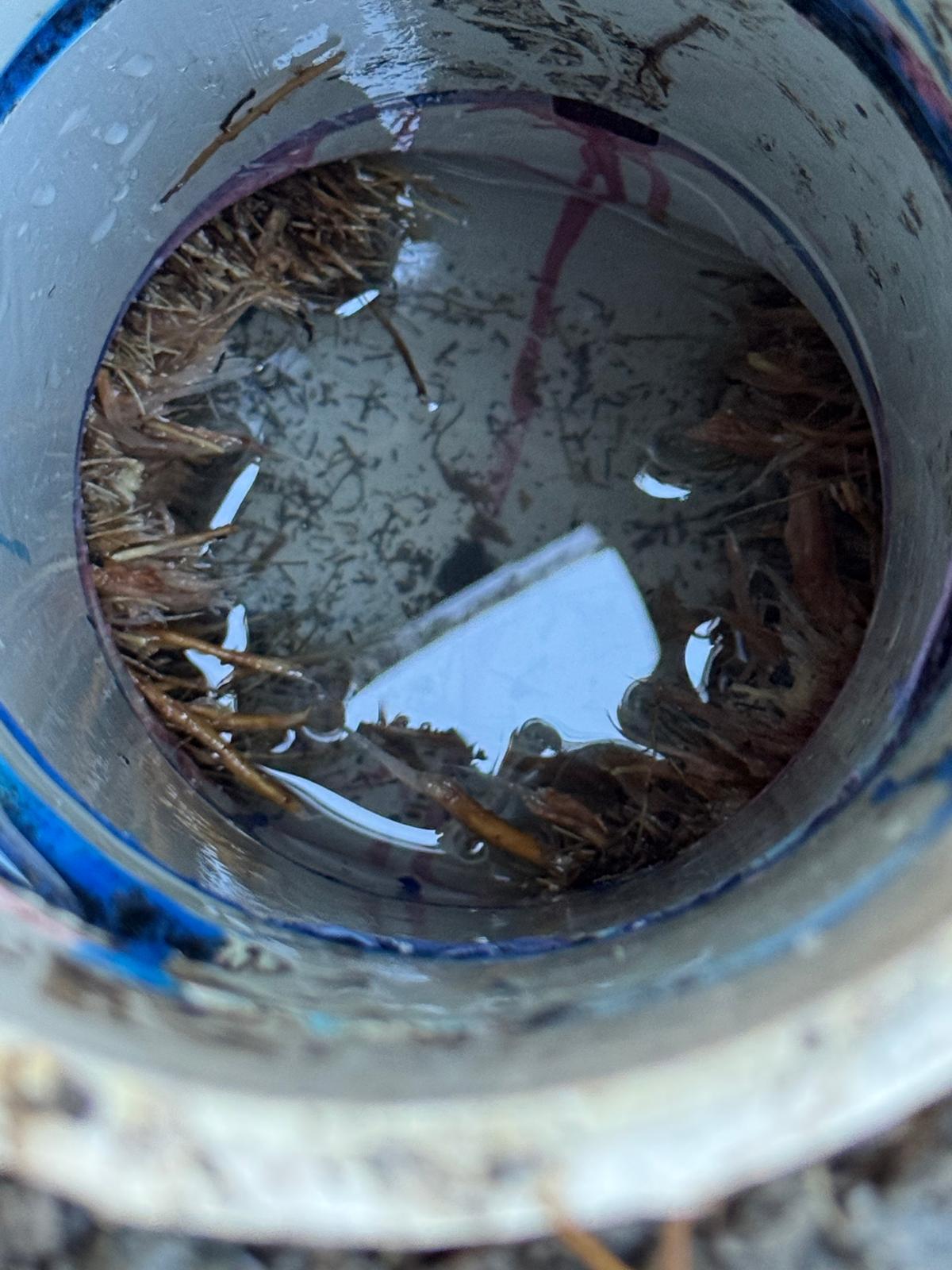
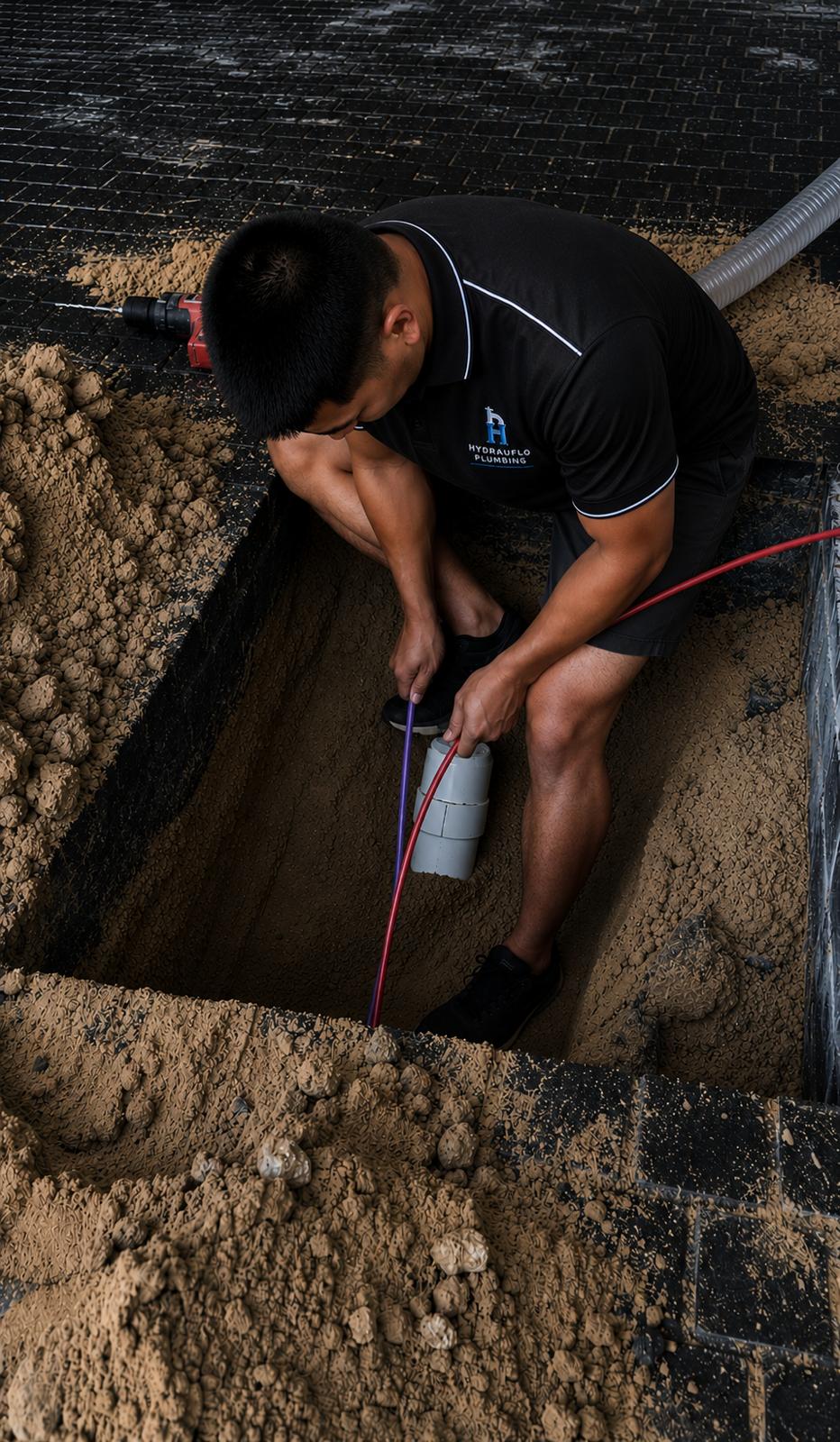
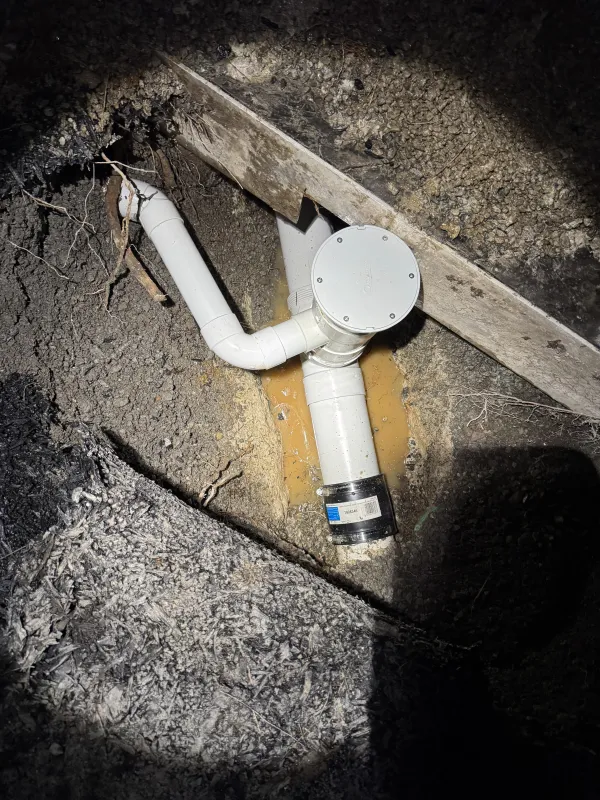
Real jobs, real photos, from homes across Fairfield, Liverpool, Wetherill Park and the wider Western Sydney region.
Frequently Asked Questions
Drain clearing questions Hydrauflo is asked most often by homeowners in Western Sydney.
Will jetting clear my blockage?
Is a drain snake ever the right choice?
What affects the price of clearing a blocked drain?
Do I need a CCTV inspection as well?
Is jetting suitable for every drain?
What if the camera finds tree roots or a collapsed pipe?
Are you licensed and insured?
What happens after I get in touch?
Hydrauflo Plumbing Services
Every method on this page is something Hydrauflo does, and drains are only part of it. Pick the service that matches your problem.
Find Your Suburb
Hydrauflo Plumbing services approved suburbs throughout Western Sydney. Pick yours below.
Not listed? Call and describe where you are, and Hydrauflo will confirm whether the address is inside the service area.
Blocked Drain in Western Sydney?
Tell Hydrauflo what is happening: which fixtures are affected, any gurgling sounds or smells, and whether it has happened before. Then request pricing for the appropriate next step.
Hydrauflo will review the information and contact you to discuss the next step.